A pet robot vacuum cleaner can help manage the hair, crumbs, dust, and tracked debris produced each day. The Smart Home Robot Vacuum Cleaner with Mop & Automatic Dust Collection combines automated vacuuming with mopping and debris collection. This system supports smart floor cleaning in frequently used pet areas. Its docking feature also provides automatic dust collection after completed cycles. Pet households should compare brush design, suction, navigation, noise, and obstacle handling. Long hair can wrap around moving parts when maintenance becomes inconsistent. Litter, food particles, and outdoor dirt may require different settings or cleaning schedules. Animals also need time to become comfortable with the machine’s sound and movement. Automated care works best when floors remain reasonably clear. This guide explains how to build an effective pet-focused cleaning routine.
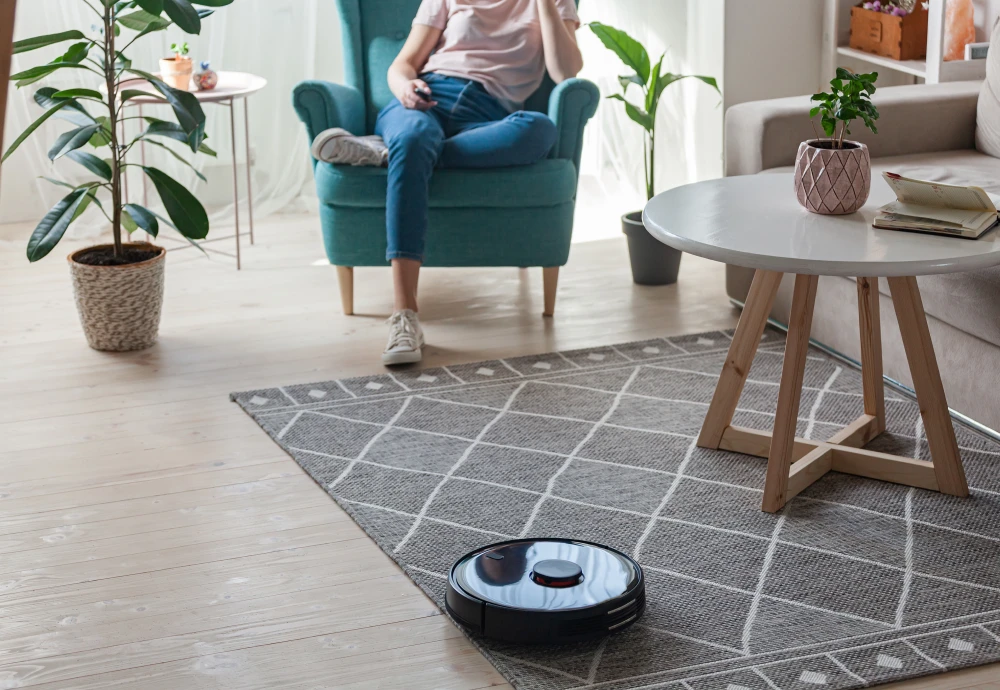
Pet hair accumulates continuously, even when floors appear clean from a distance. A practical self emptying vacuum can reduce direct contact with collected fur and dust. A dependable laser navigation system may help cover repeated shedding zones more consistently. Frequent light cleaning prevents loose hair from gathering beneath furniture and along walls. It also reduces the amount transferred onto socks, clothing, and upholstery. However, robotic cycles should complement grooming and regular deep cleaning. Pet beds, stairs, sofas, and fabric surfaces usually require separate tools. Owners should monitor animals during their first interactions with the device. Nervous pets may need gradual exposure before scheduled cleaning begins. Consistent floor care creates a cleaner environment without relying on occasional intensive sessions.
Pet homes often combine smooth flooring, rugs, mats, and carpet within connected rooms. Reliable multi surface cleaning helps the device manage these transitions with fewer interruptions. Strategic scheduled home cleaning can target shedding areas before debris spreads. Hard floors reveal loose hair quickly but usually allow efficient pickup. Carpet may require stronger suction and effective brush contact. Lightweight pet mats can shift, fold, or become caught during movement. Secure unstable edges or create restricted zones around problematic surfaces. Water settings should match the flooring and remain safe near feeding areas. Test performance around thresholds before relying on unattended operation. Surface planning helps the machine collect debris without damaging materials or becoming trapped.
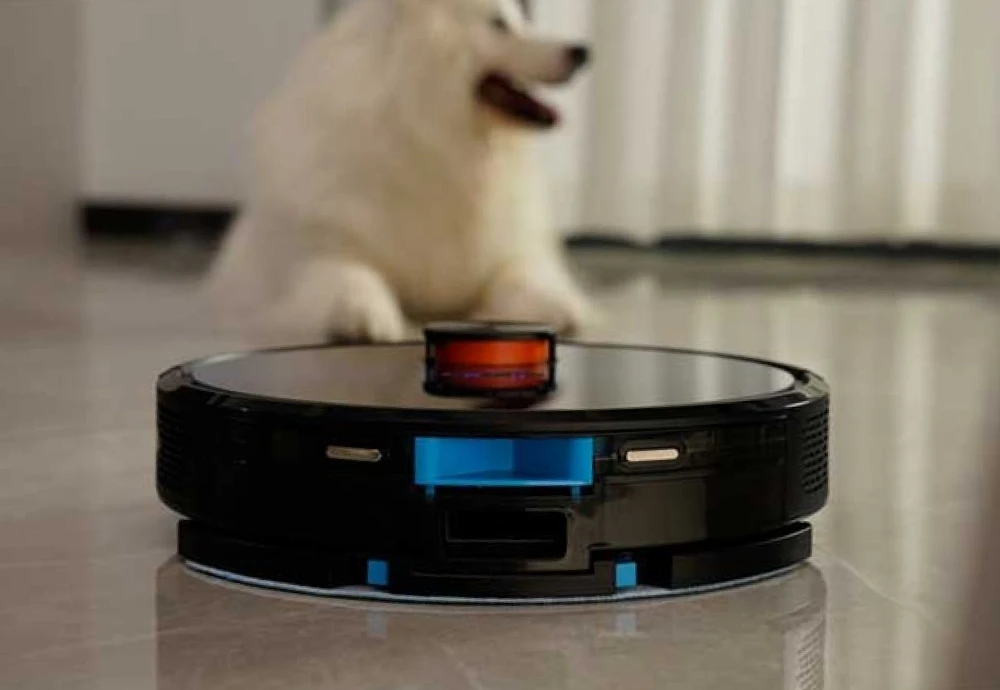
Different pet debris types create different challenges for automated equipment. Effective hard floor mopping can address light paw marks after loose particles are removed. A strong carpet cleaning robot should lift hair without repeatedly tangling its brushes. Place litter mats where they can collect particles before they spread widely. Remove wet food spills manually before the robot enters the area. The Smart Home Robot Vacuum Cleaner with Mop & Automatic Dust Collection performs best on prepared floors. Virtual boundaries can protect bowls, fountains, puppy pads, and fragile feeding stations. Check brushes more frequently during seasonal shedding periods. Empty collection components before heavy debris reduces airflow. A targeted routine handles pet mess more effectively than one general schedule.
Pets should encounter the device gradually in a calm and supervised environment. Reliable anti collision sensors help navigation, but they cannot predict every animal movement. An app controlled vacuum lets owners pause cycles when pets become distressed. Begin with short daytime sessions while animals can move to another room. Avoid running the machine near sleeping, feeding, or recovering pets initially. Never encourage animals to ride, chase, or block the device. Secure dangling toys, cords, and fabric before cleaning begins. Choose quieter schedules when sound sensitivity creates anxiety. Reward calm behavior without forcing close interaction. Careful introduction helps automated cleaning become a normal household activity.
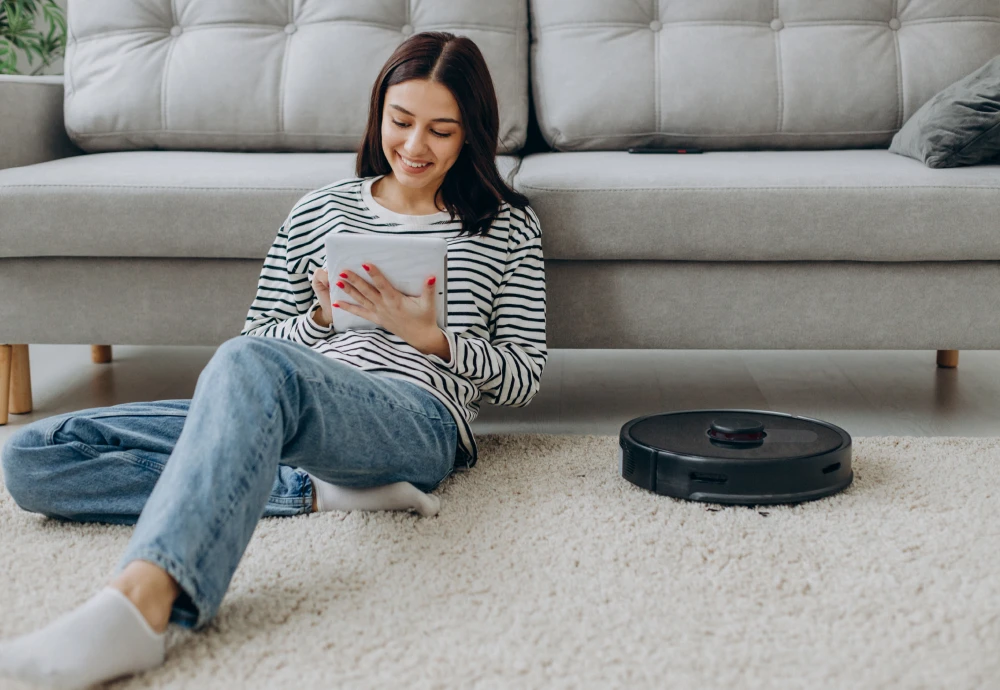
The dock should remain accessible without occupying an important pet pathway. A low profile cleaner can reach beneath furniture where fur often accumulates unnoticed. Reliable hands free floor care still requires clean sensors, brushes, filters, and charging contacts. Map rooms while pet toys and temporary obstacles are removed. Label feeding, sleeping, and litter zones for more targeted scheduling. Run higher-frequency cycles in areas where shedding remains strongest. Choose times that do not interfere with meals or household rest. Keep the docking area free from water bowls and loose bedding. Review maps after furniture or pet equipment changes position. A stable routine improves coverage while reducing unnecessary disturbance.
Hair removal should become a regular maintenance task rather than an occasional repair. Inspect main brushes, side brushes, axles, and wheels for wrapped fibers. Clean filters before restricted airflow weakens pickup performance. The Smart Home Robot Vacuum Cleaner with Mop & Automatic Dust Collection should be checked after demanding shedding cycles. Wash reusable pads and let them dry fully between uses. Replace worn components with compatible parts at appropriate intervals. Monitor charging, navigation, and unusual sounds for early warning signs. Consistent maintenance keeps pet-focused cleaning effective, hygienic, and easier to manage.



Leave a comment