A robot vacuum cleaner and mop combines dry debris removal with light wet floor care. The Smart Home Robot Vacuum Cleaner with Mop & Automatic Dust Collection adds automated docking and collected-dust management. This combination supports smart floor cleaning across regularly used rooms. Its base also introduces automatic dust collection after vacuuming cycles finish. Buyers should compare suction, pad design, water adjustment, navigation, and flooring compatibility. Vacuuming should generally remove loose particles before moisture reaches the surface. Mopping works best on light marks rather than dried or heavy spills. Rugs and sensitive flooring may require restricted zones or customized settings. Household layouts also influence coverage and docking reliability. This guide explains how to balance both cleaning functions efficiently.
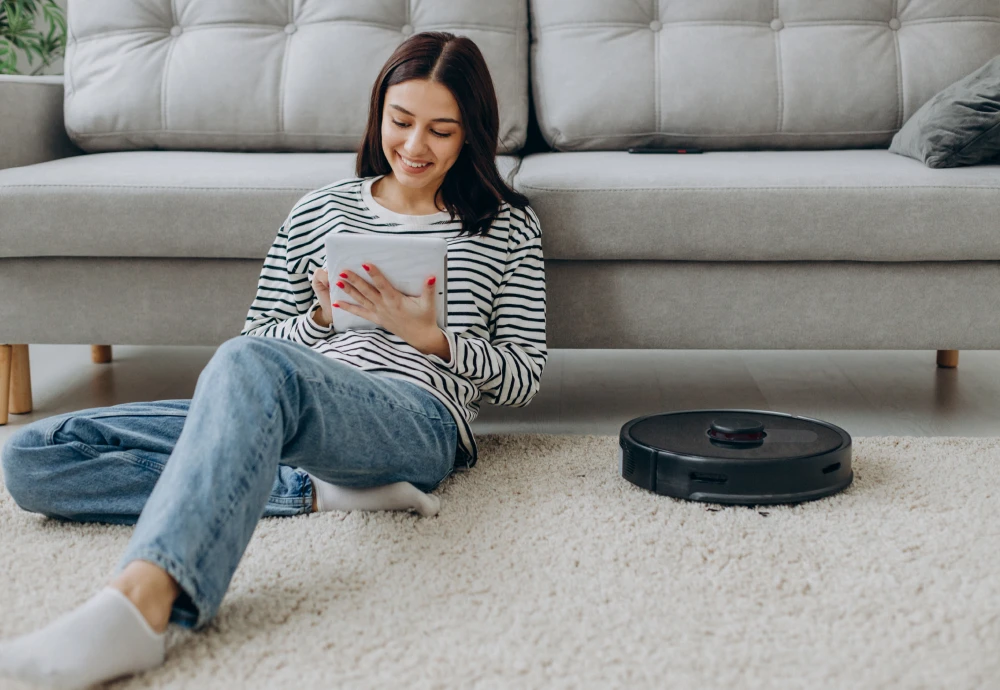
Combined cleaning reduces the need to operate separate tools during routine maintenance. A useful self emptying vacuum can further reduce frequent debris-container handling. A precise laser navigation system may organize routes and reduce repeated passes. Frequent operation prevents dust and crumbs from accumulating into larger cleaning tasks. Light mopping can then refresh suitable hard surfaces after vacuuming. However, combined functions do not replace deep scrubbing or detailed edge cleaning. Users still need to manage stairs, furniture, upholstery, and difficult corners separately. Clear floors allow the device to complete more of each planned route. Scheduled cycles create the strongest benefit when household routines remain predictable. Time savings come from consistency rather than expecting one machine to handle every mess.
Mixed flooring requires careful control over suction, water, brushes, and boundaries. Effective multi surface cleaning depends on smooth transitions and appropriate automatic adjustments. Customized scheduled home cleaning can separate carpeted rooms from mopping zones. Tile and many sealed surfaces may suit controlled damp cleaning. Wood, laminate, and specialty flooring require verified moisture guidance. Rugs should remain dry unless the device reliably avoids or lifts its pad. Loose edges and tassels can interrupt wheels or brushes. Use virtual boundaries when physical preparation cannot solve a problem. Test water output in one discreet area before broader use. Flooring-specific setup protects surfaces while improving the quality of each cycle.
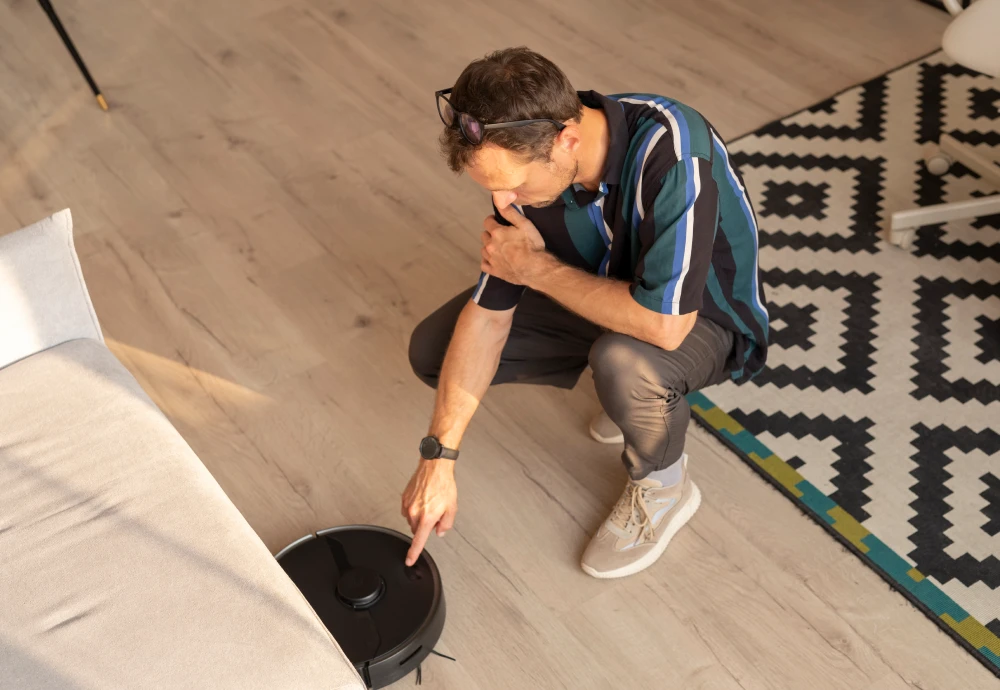
Dry pickup should remove dust, crumbs, hair, and grit before damp cleaning begins. Reliable hard floor mopping performs better when loose particles are not dragged across surfaces. A capable carpet cleaning robot also needs strong brush contact and appropriate suction. Use separate cycles when heavy debris could overwhelm a combined pass. The Smart Home Robot Vacuum Cleaner with Mop & Automatic Dust Collection supports flexible routine planning. Adjust water levels conservatively until results become predictable. Replace or clean pads before trapped dirt creates streaks. Do not send the machine through wet spills, sticky residue, or unsafe debris. Manual pretreatment may be necessary for stubborn marks. Balanced function settings prevent one cleaning mode from reducing the effectiveness of another.
Preparation improves coverage more reliably than repeatedly restarting interrupted cycles. Effective anti collision sensors still benefit from uncluttered paths and stable furniture. An app controlled vacuum can simplify schedules, zones, and cleaning-mode changes. Remove cables, toys, socks, and lightweight objects from the floor. Secure unstable rugs and lift curtains that reach wheel level. Fill tanks and install pads only according to the instructions. Choose room-specific settings instead of using maximum power everywhere. Schedule demanding cycles when people and pets will create fewer interruptions. Review the cleaning history when certain areas remain incomplete. Small preparation habits improve battery use, navigation, and overall floor coverage.
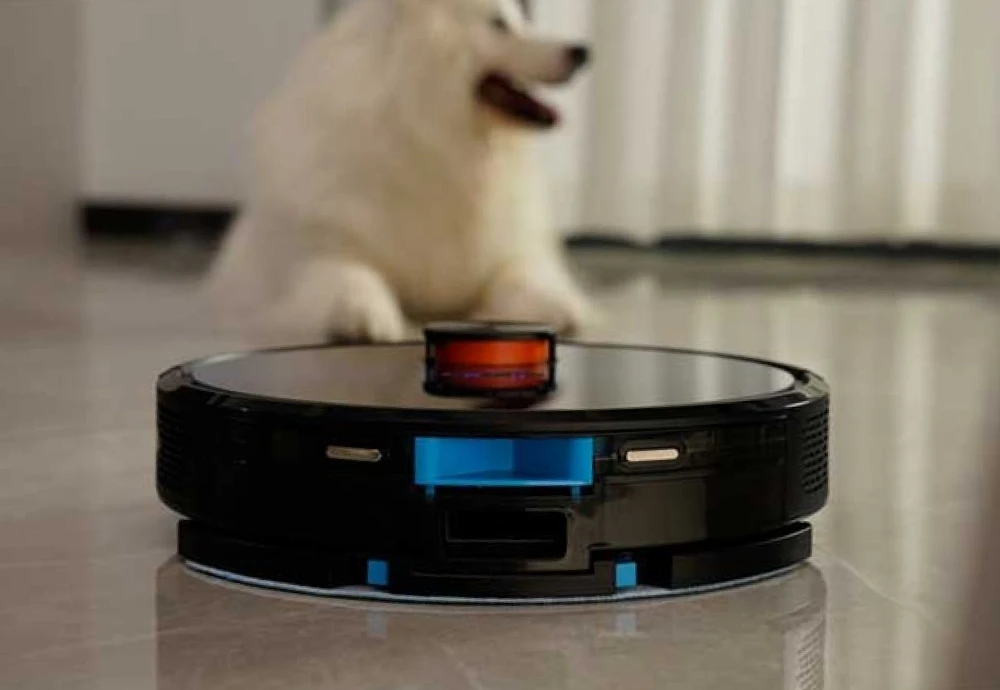
Dock placement determines whether the device returns and charges without repeated assistance. A low profile cleaner also requires enough clearance beneath targeted furniture. Dependable hands free floor care still includes routine manual inspection. Place the base on level flooring with appropriate space around it. Keep charging contacts clean and free from dust or moisture. Remove wrapped hair from wheels and brushes before movement becomes restricted. Clean pads after use and dry them completely when required. Inspect filters, bags, and collection containers on a regular schedule. Avoid placing the dock beside stairs, water sources, or frequently moved furniture. Organized maintenance prevents small problems from interrupting automated routines.
Long-term reliability requires attention to sensors, brushes, filters, pads, and battery behavior. Clean optical components gently without using abrasive products. Replace worn brushes when pickup performance begins declining. The Smart Home Robot Vacuum Cleaner with Mop & Automatic Dust Collection should receive regular care after combined cleaning cycles. Monitor unusual noises, charging delays, or navigation changes promptly. Keep software and maps updated when supported by the manufacturer. Use compatible replacement components to protect performance and safety. Consistent maintenance helps both vacuuming and mopping remain predictable over time.




Leave a comment