A personal drone can make travel, outdoor hobbies, and creative projects more visually engaging. The 4K HDR Professional Drone with Hasselblad Camera and Extended Flight Time offers a relevant option for users seeking ambitious aerial capture. Its title highlights 4K HDR recording, a Hasselblad camera, and extended flight time. Exact runtime, sensor specifications, transmission range, and safety systems should still be verified. A compact portable camera drone can fit more easily into organized travel plans. Quality 4K aerial photography also requires stable control, suitable light, and careful composition. Pilots must check applicable aviation, privacy, and location rules before every launch. Weather, obstacles, crowds, and wildlife can change a simple flight plan quickly. Responsible preparation protects people, property, and the aircraft itself. This guide explains how to build safer habits around recreational aerial use.
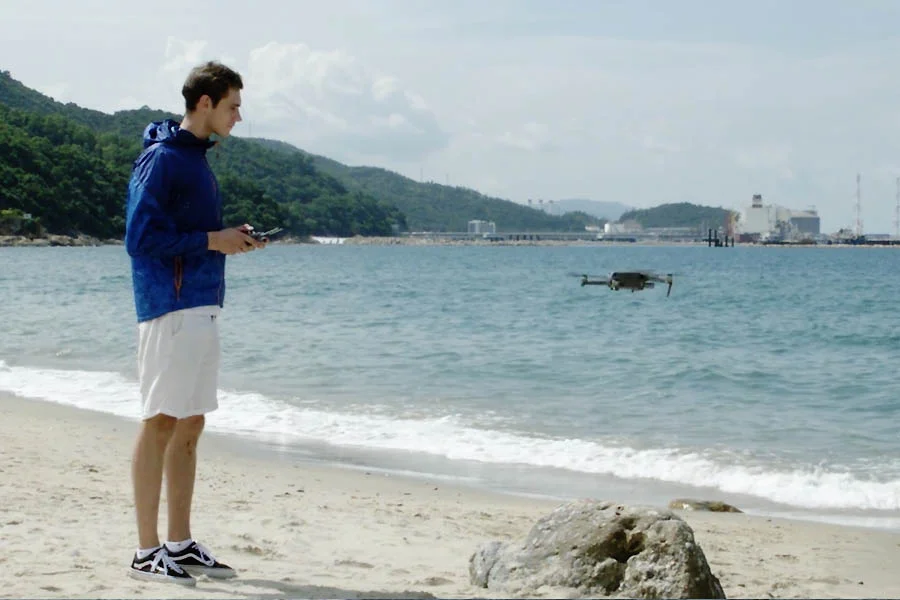
Aerial viewpoints reveal patterns, scale, and movement that remain hidden from ground level. A capable Hasselblad camera drone may support detailed results when confirmed features suit the user’s goals. Thoughtful extended flight time planning can provide more room for composition and safe returns. Travelers may document coastlines, countryside, architecture, or private events from a broader perspective. Hobbyists can also practice controlled motion and visual storytelling without a large production team. However, exciting scenery should never override airspace restrictions or local privacy expectations. Some locations may prohibit launches even when the landscape appears open. Wind can become stronger above trees, cliffs, or buildings than at ground level. A rewarding experience depends on respecting both the environment and surrounding people. Careful use turns aerial equipment into a creative tool rather than an avoidable disturbance.
Clear goals make camera, control, storage, and portability comparisons much easier. A dependable aerial imaging system should match the user’s preferred subjects and final viewing platform. Smooth cinematic drone footage depends on piloting discipline more than aggressive specifications alone. The 4K HDR Professional Drone with Hasselblad Camera and Extended Flight Time should be compared with those practical needs. Confirm frame rates, image formats, stabilization, storage support, and controller compatibility before buying. Frequent travelers may prioritize compact packing and efficient battery organization. Local hobby flights may place greater value on simple setup and predictable handling. Beginners should avoid assuming that automated features replace fundamental practice. Start with uncomplicated shots that leave generous space around the aircraft. Realistic goals reduce frustration and make progress easier to measure.
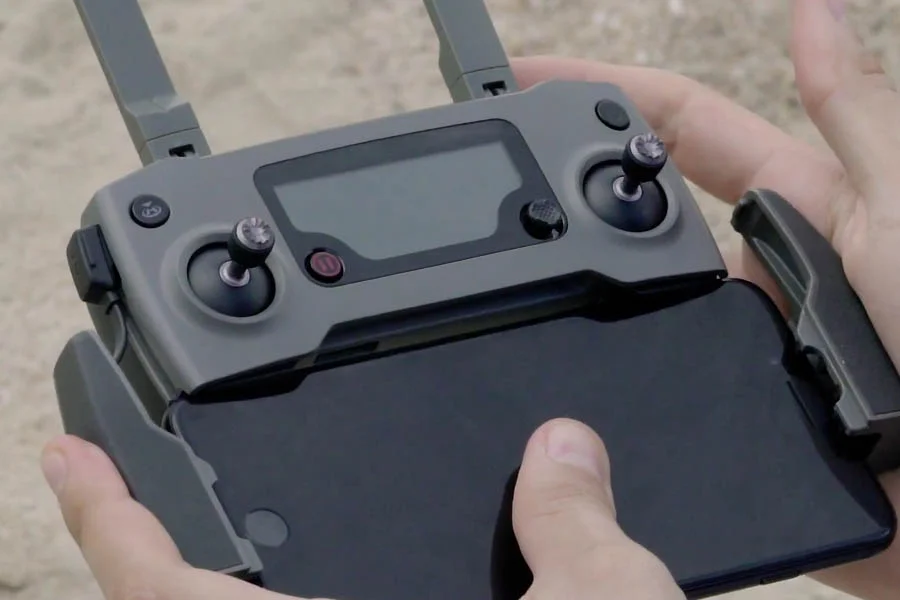
Safe flights begin before the aircraft leaves its case or powers on. Reliable GPS flight control can support navigation, but it cannot approve a location legally. Confirmed obstacle avoidance drone features may reduce risk without detecting every object. Check current local rules, temporary restrictions, property permission, and privacy considerations. Walk the area and identify wires, branches, buildings, animals, vehicles, and people. Review wind, visibility, precipitation, temperature, and changing cloud conditions. Establish a clear launch zone and an alternate landing location. Keep the planned route within safe control and any required visual operating limits. Cancel the flight when conditions exceed verified product or pilot capabilities. Conservative decisions protect future opportunities to fly responsibly.
Confident piloting develops through repetition, patience, and deliberate control inputs. Supported intelligent flight modes can assist selected movements when users understand their limitations. Stable stable video transmission helps with framing, orientation, and situational awareness during normal operation. Begin in open areas with simple climbs, turns, forward movement, and controlled landings. Avoid sudden direction changes until the aircraft’s response feels predictable. Keep enough battery reserve for unexpected wind, delays, or route changes. Watch the aircraft directly instead of relying only on the display. Record several extra seconds around each shot to simplify later editing. Review mistakes after landing rather than experimenting recklessly while airborne. Calm technique produces safer flights and more polished footage.
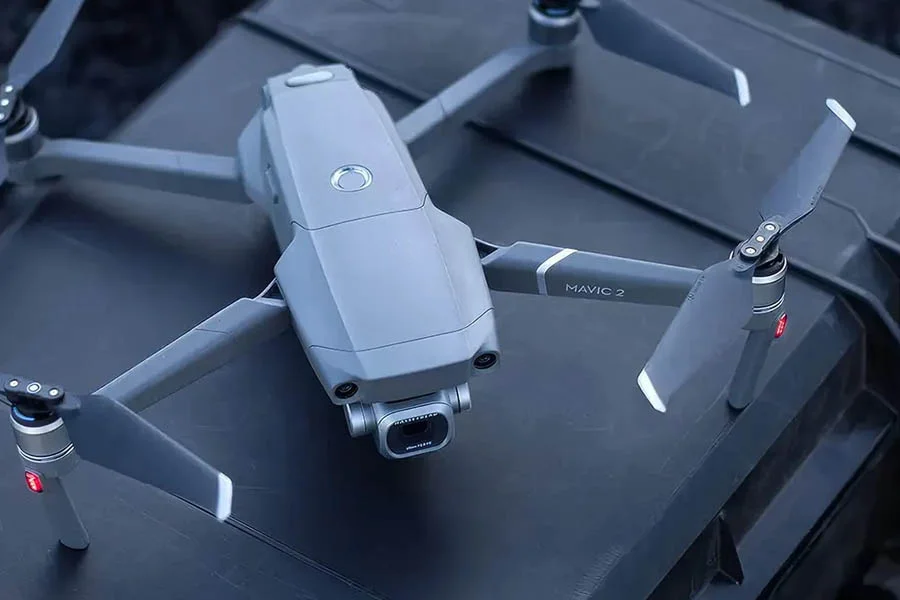
Good organization prevents damaged equipment, missed shots, and unsafe battery handling. Careful professional aerial photography habits can benefit recreational users through clearer checklists and backups. Protected drone travel equipment keeps propellers, controllers, cards, batteries, and cables separated. Use only approved chargers and follow manufacturer storage guidance. Allow batteries to cool before charging when the instructions require it. Label charged, used, and storage-level batteries to prevent confusion. Carry compatible spare media and confirm available capacity before leaving home. Back up important footage soon after returning from each session. Review transport rules before taking batteries onto commercial flights or public transport. Organized preparation makes recreational flying more relaxed and dependable.
Routine care helps preserve stable movement, image clarity, and responsive controls. Inspect propellers, motors, gimbal movement, body panels, and battery contacts before launch. Clean the lens with approved optical tools and gentle techniques. The 4K HDR Professional Drone with Hasselblad Camera and Extended Flight Time should be maintained according to verified instructions. Update supported software through official channels and review settings afterward. Replace damaged components with compatible parts rather than temporary fixes. Store the aircraft dry, protected, and away from extreme temperatures. Consistent maintenance supports safer operation and more enjoyable flights over time.



Leave a comment