An auto cat litter system can reduce repetitive scooping and support a more consistent cleaning routine. The Cat Sandbox Automatic Collector Cat Litter offers an automated approach to everyday waste collection. Its supplied title suggests automatic collection, although exact operating details should be confirmed. A suitable self cleaning litter box should match the cat’s size and behavior. Effective odor control litter box performance also depends on regular waste-container maintenance. Owners should verify litter compatibility before filling the unit. The entrance must feel accessible for older, cautious, or larger cats. Placement should remain quiet, stable, and easy to reach. Cats need time to investigate unfamiliar movement and sounds. This guide explains how to introduce automated litter care responsibly.
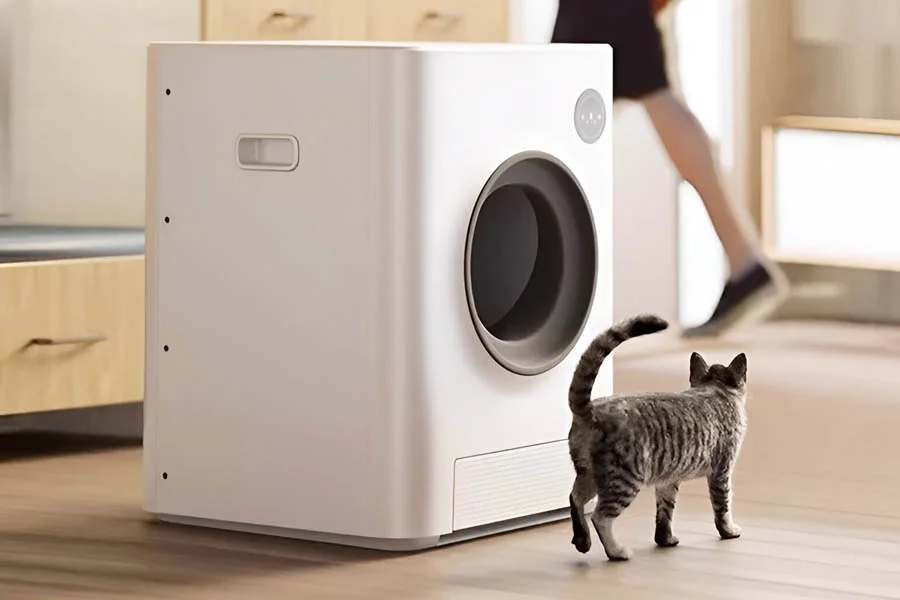
Traditional scooping requires attention several times daily in many cat households. Automated systems can move waste into a separate compartment after appropriate use. This automatic waste removal may help keep the main litter area more inviting. A connected smart cat litter box may also provide useful status information when supported. However, automation does not eliminate cleaning, inspection, or waste disposal. Owners must still watch for unusual litter habits or health changes. The machine should never become a substitute for observing each cat. Sensors and moving components also need regular checks. A predictable routine makes automated care more dependable. Convenience works best when technology supports attentive ownership.
Every cat needs enough room to enter, turn, dig, and leave comfortably. A practical multi cat litter solution should also offer adequate capacity for expected daily use. Reliable hands free litter cleaning depends on cats accepting the enclosure without stress. The Cat Sandbox Automatic Collector Cat Litter should be evaluated against those individual needs. Timid cats may resist sudden movement, unfamiliar sounds, or covered entrances. Larger cats require sufficient internal width and entry clearance. Kittens may need age or weight restrictions confirmed before use. Senior cats often benefit from a lower and easier entrance. Keep the previous tray available during the transition period. Gradual introduction reduces the risk of avoidance or accidents.
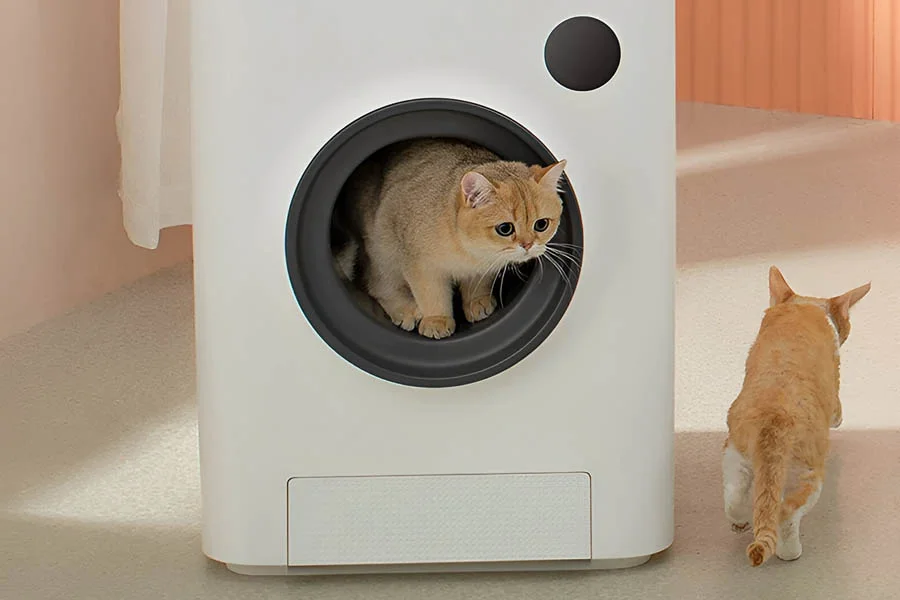
Placement influences acceptance, odor management, cleaning access, and reliable operation. A complete cat hygiene system belongs in a calm location away from loud appliances. A dependable low maintenance litter box still needs enough surrounding space for service. Place the unit on a firm and level surface. Avoid locations where doors can trap or surprise a cat. Food and water should remain separate from the litter area. Electrical cords must stay protected from chewing and moisture. Owners need convenient access to the waste compartment. Ventilation can help prevent odors from concentrating nearby. A thoughtful location supports both feline comfort and human maintenance.
Begin with the automated cycle disabled when the product instructions permit that approach. Familiar litter may help the new unit smell recognizable. Strong litter tracking control also depends on a suitable mat and surrounding floor plan. A verified quiet cleaning cycle can help sensitive cats adjust more comfortably. Let the cat explore without being placed inside forcibly. Reward calm investigation with attention or an appropriate treat. Keep the previous box nearby until regular use becomes clear. Activate automatic functions gradually and observe the cat’s reaction. Pause the transition when fear, avoidance, or accidents appear. Patience usually produces better acceptance than a sudden replacement.
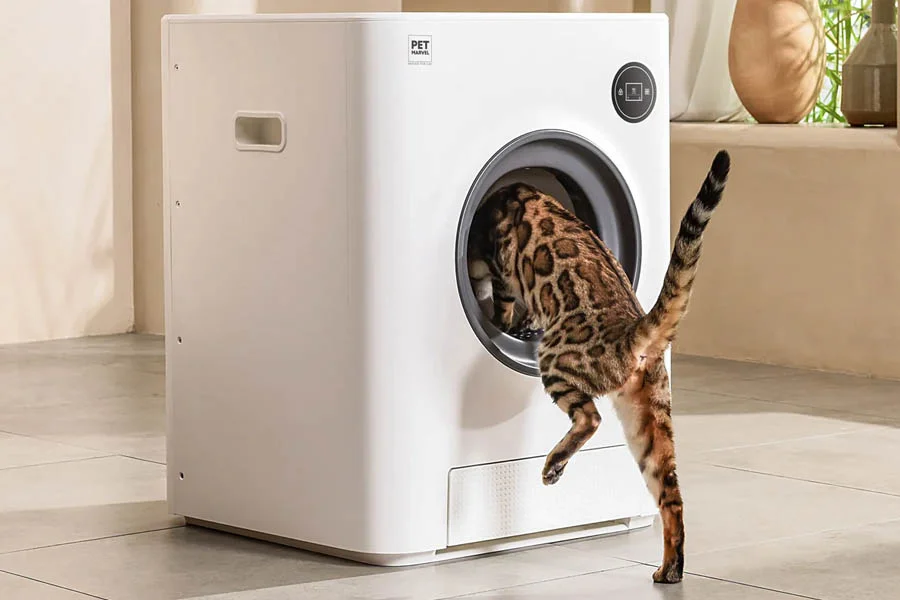
Waste compartments require emptying before they become overfilled or difficult to handle. A covered cat toilet may contain some litter, but ventilation and cleaning still matter. An easy clean litter box should provide accessible surfaces and removable components. Follow approved cleaning methods for every sensor and moving part. Avoid harsh chemicals that may leave strong odors cats dislike. Replace litter according to product guidance and household use. Inspect the interior for stuck waste or damp residue. Wash reusable components completely before returning them. Dry every required surface before reassembly. Consistent maintenance protects hygiene and operating reliability.
Regular inspection helps prevent small mechanical or hygiene problems from growing. Check sensors, liners, moving parts, cords, and collection areas frequently. The Cat Sandbox Automatic Collector Cat Litter should be maintained according to verified manufacturer instructions. Watch for changes in urination, stool, frequency, or litter-box avoidance. Contact a veterinarian when unusual behavior or elimination patterns continue. Never reach into moving equipment before disconnecting power safely. Replace damaged parts only with compatible components. Responsible maintenance supports cleaner floors and more dependable daily cat care.



Leave a comment