An automatic cat litter cleaner can reduce daily scooping while keeping waste handling more consistent. The Cat Sandbox Automatic Collector Cat Litter presents an automated collection option for home use. Its title does not confirm exact sensors, cycle timing, capacity, or litter requirements. A suitable self cleaning litter box should accommodate the individual cat comfortably. A reliable odor control litter box still requires timely emptying and thorough cleaning. Owners should verify all safety and age guidance before introduction. The unit must stand securely on an appropriate surface. Cats should always enter and exit without obstruction. Household members need easy access for routine servicing. This guide explains the features and habits that support dependable use.
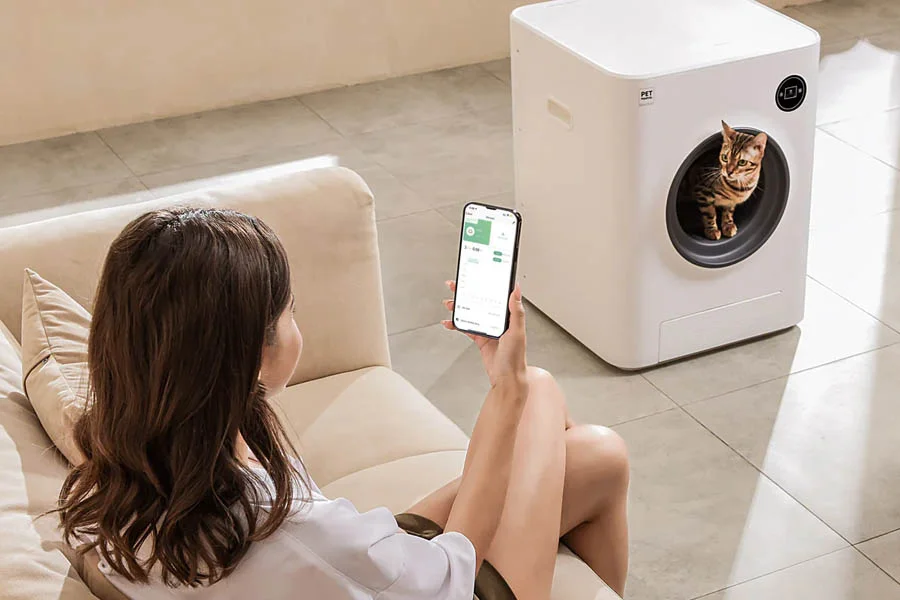
Automated cleaning usually separates clumps from usable litter after a cat leaves. This automatic waste removal can reduce how long soiled litter remains exposed. A compatible smart cat litter box may provide alerts or cycle controls when supported. These features can help owners maintain a more predictable routine. However, the waste compartment still requires regular human attention. Sensors can also become dirty or blocked by scattered litter. Owners should inspect the unit rather than assuming every cycle completed correctly. Daily observation helps identify mechanical issues and feline health changes. Automation provides assistance, not complete independence. Consistent oversight keeps the system safer and cleaner.
Capacity should reflect cat numbers, body size, litter habits, and emptying frequency. A well-sized multi cat litter solution needs enough interior and waste-storage space. Effective hands free litter cleaning also depends on compatible litter and correct fill levels. The Cat Sandbox Automatic Collector Cat Litter should be compared with those practical requirements. Small compartments may need frequent attention in busy cat households. Large cats require comfortable turning and digging room. Senior cats may struggle with high entrances or narrow openings. Kittens may fall below stated weight or age limits. Measure the available location before choosing the unit. Adequate capacity improves convenience without sacrificing comfort.
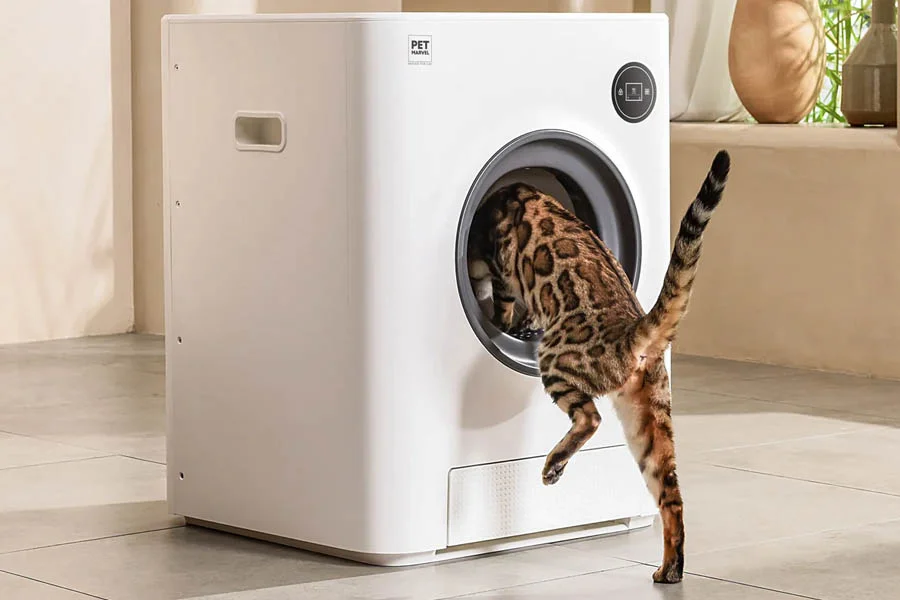
Safe operation depends on working sensors, correct assembly, and cautious introduction. A complete cat hygiene system should never begin a cycle while a cat remains inside. Even a low maintenance litter box requires frequent safety checks. Verify weight detection and delay settings when the product provides them. Keep the old litter tray during the adjustment period. Allow cats to investigate the new unit without pressure. Begin automatic cycling only after regular use becomes established. Watch for hesitation, hiding, accidents, or refusal. Stop the transition when the cat appears persistently frightened. Comfort and safety should remain more important than convenience.
Familiar smells and litter texture can make a new enclosure easier to accept. Good litter tracking control starts with an entrance mat that does not feel unstable. A confirmed quiet cleaning cycle may also reduce stress for sensitive animals. Place the new box near the established litter location initially. Add a small amount of familiar clean litter when permitted. Keep automated movement disabled during early exploration when instructions allow. Reward voluntary use without standing too close. Activate cycles while the cat remains at a comfortable distance. Extend the transition instead of removing the old tray suddenly. A patient process supports stronger long-term acceptance.
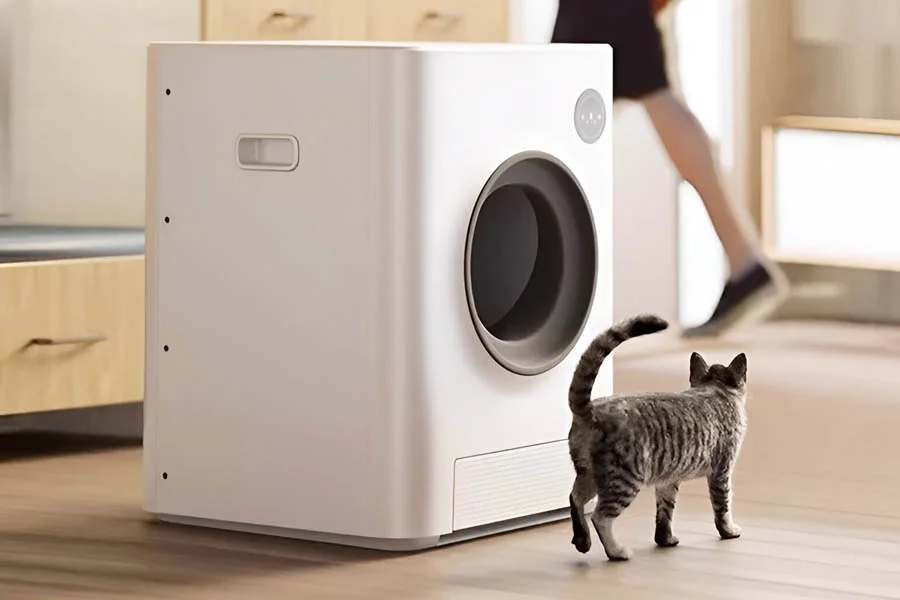
Automated collection does not remove the need for scheduled cleaning and inspection. A covered cat toilet can hide residue that remains visible only after opening. An easy clean litter box should therefore provide convenient access to key surfaces. Empty waste before odors or overflow become noticeable. Check the litter level and replenish only as directed. Remove stuck clumps before they interfere with movement. Clean sensors gently using approved methods. Wash removable parts according to manufacturer guidance. Dry required components fully before restarting the machine. A written schedule can make maintenance easier for shared households.
Long-term reliability depends on cleanliness, careful observation, and compatible replacement supplies. Inspect cords, sensors, gears, seals, liners, and waste compartments regularly. The Cat Sandbox Automatic Collector Cat Litter should receive only manufacturer-approved maintenance. Monitor litter-box output because changes may signal health concerns. Contact a veterinarian when unusual elimination patterns persist. Disconnect power before clearing blockages or inspecting moving parts. Replace worn components before performance becomes unreliable. Proper care keeps automated cleaning useful without reducing attentive cat ownership.



Leave a comment