The best automatic cat litter box for multiple cats depends on capacity, comfort, safety, and household routines. No single system is automatically ideal for every group of cats. The Cat Sandbox Automatic Collector Cat Litter offers one automated collection option to evaluate. Its supplied title does not confirm waste capacity, dimensions, sensors, or supported cat numbers. A dependable self cleaning litter box should handle regular shared use without crowding. A practical odor control litter box still requires frequent waste disposal. Each cat must feel comfortable entering and leaving the enclosure. Larger households may need more than one litter location. Owners should preserve access when one cat blocks another. This guide explains how to assess shared automated litter care realistically.
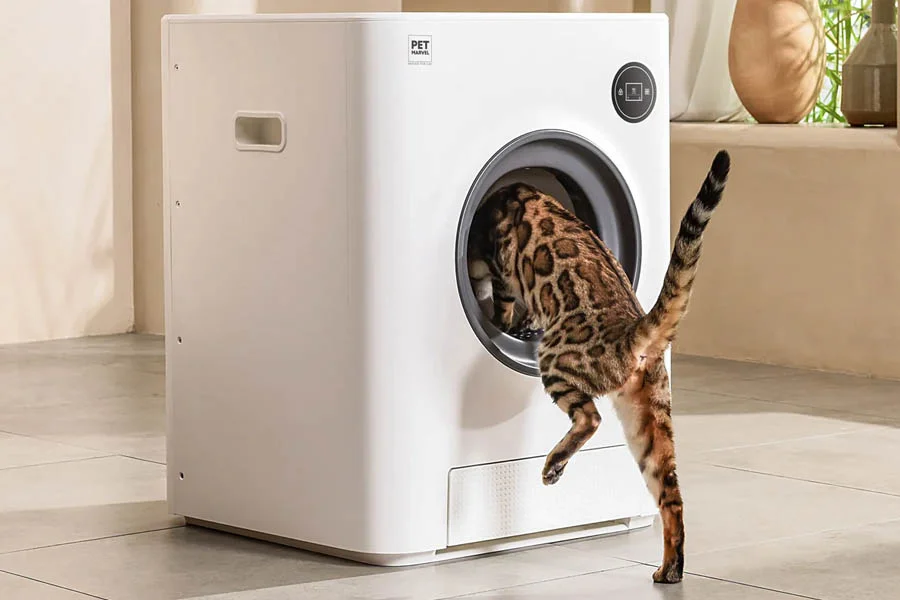
Shared use increases waste volume, cleaning frequency, and mechanical workload. Reliable automatic waste removal should complete cycles without leaving repeated residue behind. A supported smart cat litter box may help owners monitor capacity or operating status. Internal dimensions must accommodate the largest cat in the household. The entrance should also remain accessible for older or less agile cats. Waste storage needs to match realistic emptying habits. Quiet operation matters when several animals share nearby living areas. Safety sensors must respond reliably to different cat weights. Cleaning access should remain convenient despite frequent use. The strongest choice balances capacity with comfort and owner oversight.
Cat numbers alone cannot determine the correct machine or litter-box count. A genuine multi cat litter solution must consider size, relationships, health, and territory. Effective hands free litter cleaning cannot solve conflict around limited access. The Cat Sandbox Automatic Collector Cat Litter should be assessed within that broader plan. Some cats refuse to share one enclosed toilet consistently. Others may guard entrances or disturb more timid companions. Separate boxes can reduce competition and provide backup access. Larger waste drawers may still require daily inspection. Measure both the cats and the available room carefully. Adequate space supports easier movement and more predictable use.
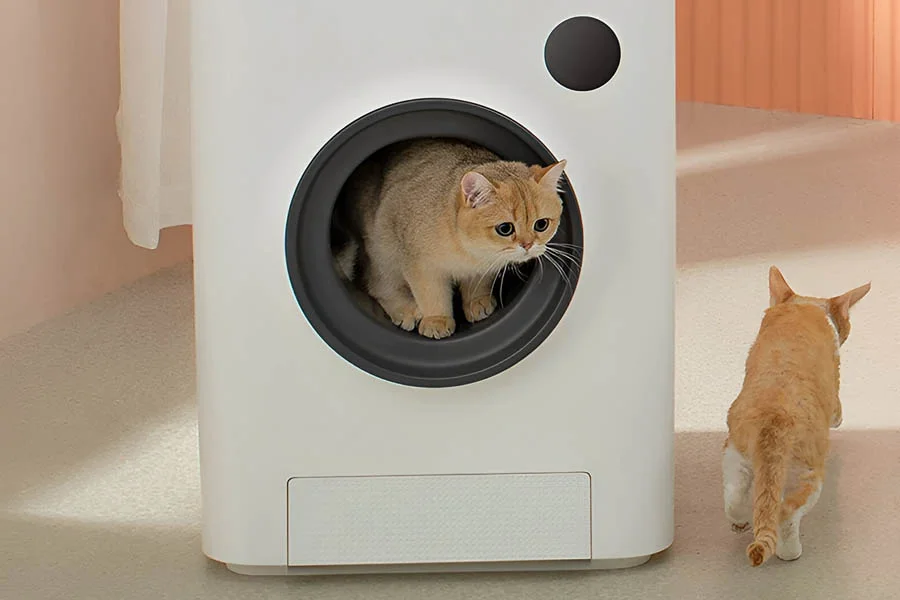
Every cat should approach the system without being chased, blocked, or surprised. A complete cat hygiene system should include alternative boxes during adjustment. A low maintenance litter box still requires observation after every cat begins using it. Confirm weight, age, and mobility limitations before enabling automatic cycles. Introduce the unit while the previous litter options remain available. Watch each cat separately because confident behavior can hide another cat’s stress. Avoid forcing a hesitant animal into the enclosure. Check whether one cat waits unusually long to gain access. Accidents may indicate fear, competition, discomfort, or medical concerns. Individual acceptance matters more than immediate household convenience.
Gradual introduction prevents several cats from reacting to unfamiliar movement simultaneously. Effective litter tracking control should include mats that remain stable beneath different paws. A verified quiet cleaning cycle can make shared spaces less disruptive. Let cats investigate the inactive unit over several days. Use familiar litter when the manufacturer confirms compatibility. Activate cycles only after consistent voluntary use becomes clear. Observe every cat’s reaction from a respectful distance. Keep additional trays available throughout the transition. Pause automatic operation when fear or avoidance develops. Slow adjustment protects trust and reduces inappropriate elimination.
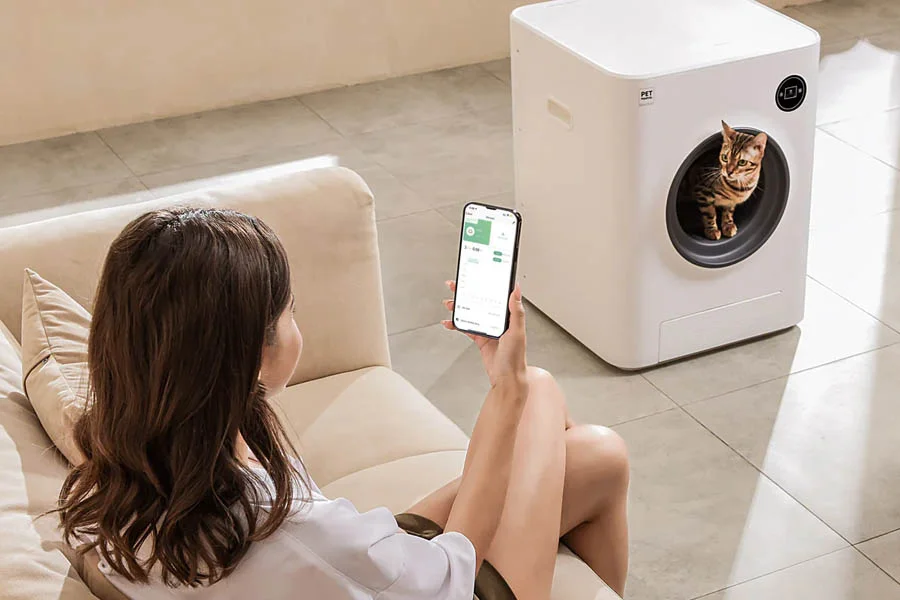
Several cats can fill waste storage much faster than marketing images suggest. A covered cat toilet may conceal buildup until the compartment opens. An easy clean litter box should make frequent servicing straightforward. Inspect the waste area daily during the first weeks. Record how quickly it fills under normal household use. Adjust emptying schedules before capacity becomes a problem. Check for clumps that remain stuck after cleaning cycles. Maintain the correct litter depth for dependable separation. Wash and dry removable parts according to verified instructions. Consistent service protects odor control and mechanical performance.
Heavy shared use makes regular inspection especially important for long-term reliability. Check sensors, liners, moving components, electrical connections, and waste storage often. The Cat Sandbox Automatic Collector Cat Litter should be maintained according to its confirmed documentation. Keep additional litter options available when one unit stops working. Monitor output from each cat whenever identification remains possible. Persistent changes in elimination require veterinary attention. Disconnect power safely before clearing jams or inspecting moving sections. Thoughtful maintenance keeps shared automated care cleaner, safer, and more dependable.



Leave a comment