Cats are masters at hiding discomfort, which makes early health problems genuinely hard to spot at home. By the time symptoms become obvious, conditions may already be more serious. Bathroom habits often change first, yet few owners track them closely. A smart litter box adds a quiet layer of awareness to everyday care. App connectivity records visits and alerts you when something needs attention. That information can help you notice patterns that deserve a veterinarian’s opinion. Of course, no device replaces professional medical advice or regular checkups. Still, better information leads to earlier conversations and calmer decisions. This article explores what connected litter systems can and cannot reveal. It also examines a model with four weight sensors and enzyme deodorization. Knowledge helps you care for your cat more confidently.
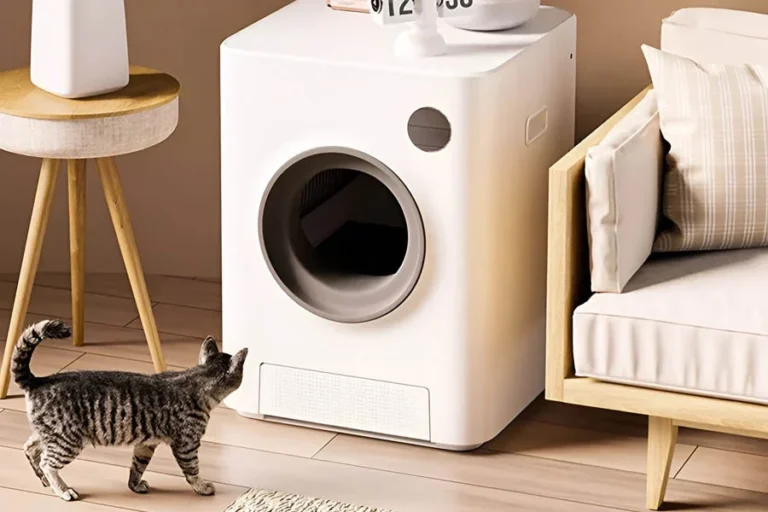
Connected boxes combine sensors, automation, and phone apps into one system. Weight sensors detect when a cat enters and leaves the box. The system can log those visits and display activity in the app. Owners comparing an electric cat litter box should check which data each model records. The Hivaro model uses four weight sensors for detection and safety. Its app lets you monitor the box and control cleaning remotely. Automatic self-cleaning keeps the surface fresh after each visit. Biological enzyme deodorization from natural plant sources reduces odors at the source. Large capacity allows up to about ten days between emptying sessions. Together, these features support both hygiene and awareness. Data becomes useful when you check it regularly.
Every cat develops its own normal bathroom rhythm over time. Learn that baseline during the first few weeks of use. Note typical visit counts on weekdays, weekends, and after meals. Increased frequency can suggest urinary issues, diabetes, or other concerns. Decreased visits may point toward constipation or dehydration in some cases. Straining or very short visits also deserve prompt attention. Consistent cat litter box automatic cleaning makes these patterns easier to notice. Clean litter means your cat has no reason to avoid the box. Avoidance would otherwise hide valuable information about health. Share any unusual changes with your veterinarian quickly. Early conversations often lead to simpler treatment.
Safety should be the first question for any automated pet product. Four weight sensors help ensure cleaning only starts once your cat has left. Movement detection prevents cycles from running while a cat is nearby. Check manufacturer guidance on minimum cat weight before using it with kittens. Supervise the first several cleaning cycles to observe your cat’s reaction. Durable plastic construction feels sturdy and wipes clean easily. Some owners prefer stainless steel litter boxes for manual setups because they resist scratches. Automated plastic units balance durability with lighter weight and lower cost. Place the unit on a flat, stable surface away from heavy foot traffic. Stable placement helps sensors read accurately. Thoughtful setup protects your pet.
Location affects both data accuracy and your cat’s willingness to use the box. Choose a quiet, well-ventilated spot with easy access to a power outlet. Keep it away from food and water bowls, which cats prefer separate. Strong Wi-Fi coverage ensures the app receives updates reliably. Owners who want a tidy look sometimes choose furniture cat litter boxes for manual setups. Automated units need open space around them for ventilation and cleaning cycles. Introduce the new box beside the old one before switching it on. Use familiar litter so your cat recognizes the setup immediately. Reward calm exploration with treats and gentle praise. Most cats adjust within one to two weeks. Patience makes technology welcome.
Connected devices offer helpful clues, yet they cannot diagnose any illness. Visit counts reveal patterns, not causes, so professional evaluation remains essential. Multi-cat households may find it harder to separate one cat’s data from another’s. Sensors also need occasional cleaning to maintain accurate readings. Power outages or Wi-Fi drops can interrupt logging temporarily. Keep annual veterinary checkups even when everything seems perfectly normal. Watch for other signs too, such as appetite changes or unusual hiding. Combine app insights with your own daily observations for the clearest picture. Technology works best as a supportive partner rather than a replacement. Realistic expectations prevent unnecessary worry or false reassurance. Balanced use brings the most benefit.
Start by learning your cat’s normal patterns during the first month. Check the app briefly each day, just as you would refill water. Empty the waste compartment promptly whenever the app signals it is full. Deep clean the unit with mild, unscented soap every few weeks. Hivaro offers fast US shipping and a money back guarantee on this model. That support helps if your cat needs extra time to adjust. Share any unusual changes with your veterinarian without delay. Enjoy the time saved from daily scooping and constant odor control. Spend those extra minutes playing with your cat instead. Your cat gains a cleaner bathroom, and you gain valuable peace of mind.



Leave a comment