Every cat owner knows the daily routine of bending down with a scoop and a plastic bag. It happens before work, after dinner, and sometimes again before bed on busy days. Skipping it even once leaves odors drifting through hallways and living rooms. An automatic litter box breaks that cycle by handling the scooping for you. Sensors detect when your cat leaves, then the system separates and stores waste. You simply empty a sealed compartment every several days instead of every evening. Still, cats can be cautious about change, especially around their bathroom habits. A careful introduction makes the difference between quick success and stubborn refusal. This article shares a gentle, step-by-step transition plan that respects your cat. It also explores a smart model with app control and four weight sensors. Your daily routine is about to get much easier.
Long workdays, travel plans, and family schedules make consistent scooping surprisingly difficult. Cats notice when their box gets dirty, and some protest by going elsewhere. Automated cleaning keeps the surface fresh after every visit throughout the day. Busy owners often pair it with an automatic cat feeder for complete daily care. The Hivaro smart model connects to your phone for remote monitoring and control. You can check activity and trigger cleaning while you are away from home. Its large capacity can go up to about ten days between emptying sessions. Actual timing depends on the number of cats and litter type used. Fewer daily chores leave more time for play and cuddles. Many owners say the bond with their cat actually improves. Convenience benefits both sides of the relationship.
Moving parts near a beloved pet naturally raise questions for careful owners. Good designs address that concern with multiple layers of sensing and protection. This model uses four weight sensors to detect when a cat enters the box. Cleaning cycles wait until the cat has left and the area is clear. Shoppers comparing robot litter boxes should always ask how safety sensors work. Check manufacturer guidance on minimum cat weight before using it with young kittens. Supervise the first several cycles so you can observe your cat’s reactions. Calm, curious behavior usually signals that your pet feels comfortable. Hissing or avoidance suggests slowing down the introduction process. Patience keeps the experience positive and stress-free. Safety always comes first with any automated pet device.
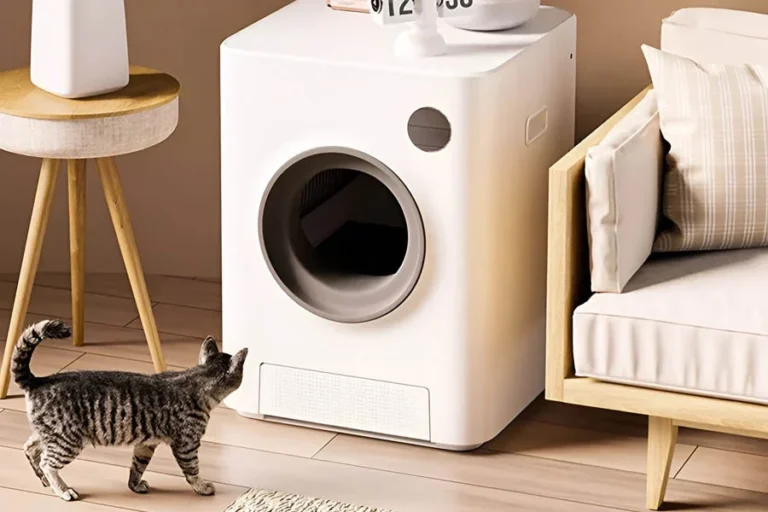
Start by placing the new unit beside the old box without turning it on. Fill it with the litter your cat already knows and trusts. Let your cat sniff, explore, and even use it while the power stays off. After several days, switch the unit on and let it complete a cleaning cycle. Stay nearby and reward calm curiosity with treats and gentle praise. Once your cat uses the new box consistently, remove the old one gradually. Some cats prefer the hooded privacy of a covered litter box for cats during this transition. Place the unit in a quiet, low-traffic area away from food bowls. Avoid moving it again once your cat settles into the new routine. Most cats adapt within one to two weeks. Slow transitions build lasting trust.
Odor is the main reason many owners start searching for better litter solutions. Waste sitting in an open box releases smells within minutes of each visit. Automated scooping removes waste quickly, which stops odors before they spread. This model also uses biological enzyme deodorization drawn from natural plant sources. That approach targets odor and bacteria at their source rather than masking them. Durable plastic construction wipes clean easily during routine deep cleaning. Empty the waste compartment promptly once the app signals it is full. Wash the litter area with mild, unscented soap every few weeks. Strong fragrances can discourage sensitive cats from using the box. Fresh air makes small apartments feel far more welcoming. Guests may never guess a cat lives there.
Reduced contact with litter offers real benefits for certain households. Pregnant people often search for litter boxes pregnancy advice because of toxoplasmosis concerns. The CDC recommends that pregnant people avoid changing litter whenever someone else can help. If nobody else can, wearing gloves and washing hands afterward reduces risk. Automated systems reduce daily handling, though occasional emptying is still necessary. App monitoring also tracks how often your cat uses the box each day. Sudden changes in frequency can signal urinary or digestive problems early. Contact your veterinarian promptly if patterns shift unexpectedly. Early detection often leads to simpler, less expensive treatment. Cleaner boxes also discourage cats from avoiding the litter area. Health and hygiene improve together.
Most healthy adult cats adapt well with a patient, gradual introduction. Very young kittens or frail seniors may need extra supervision or alternatives. Multi-cat homes benefit from the large capacity and frequent automatic cleaning. Consider placement, power access, and how easily you can reach the waste compartment. Hivaro offers fast US shipping and a money back guarantee on this model. That support lowers the risk if your cat needs more time to adjust. Keep familiar litter on hand during the first few weeks. Celebrate small wins with treats whenever your cat uses the new box. Soon, scooping will feel like a distant memory. Your cat will enjoy a consistently clean bathroom every day.



Leave a comment