Good planning gives a home direction. A mopping robot vacuum cleaner can anchor it with personality and proportion. Begin with floor types, room layout, pet needs, and the household schedule, not passing trends. That context serves a calmer daily cleaning rhythm. Consider how automated floor care directs attention cleanly. Strong focal points support the room, never compete with it. Likewise, pet hair cleanup can make the plan feel intentional. That is why Smart Home Robot Vacuum Cleaner with Mop & Automatic Dust Collection deserves early consideration. It reinforces a quiet, capable, and time-saving mood across the setting. Use that mood as a decision filter.
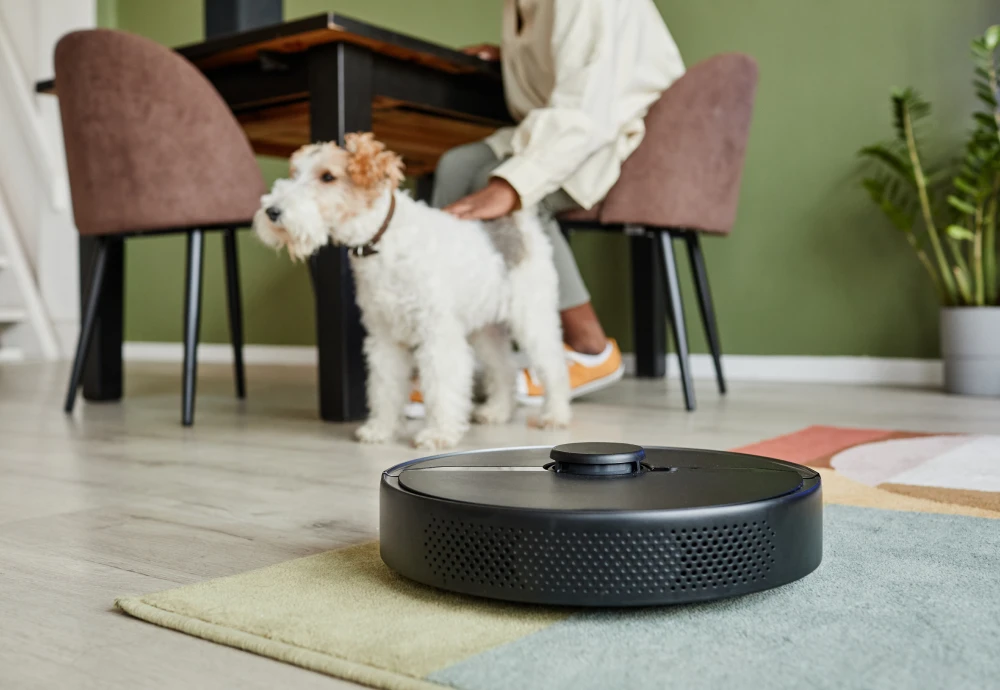
Smart purchases begin with an honest look around. Notice movement through the home during daily crumbs, fur, tracked-in dust, and regular upkeep. Use that to set priorities for this floor-care robot. Visual impact should support everyday use. A planned smart cleaning routine creates a helpful hierarchy. Likewise, hands-free dust collection can prevent later frustration. Check measurements, clearances, and storage before buying. Even a beautiful result must suit floor types, room layout, pet needs, and the household schedule. Then comparison feels focused rather than overwhelming. That clarity protects the budget and experience.
Daily enjoyment needs practical planning. Ask how this floor-care robot supports daily crumbs, fur, tracked-in dust, and regular upkeep. Let that answer guide comfort, control, and flexibility. For many households, daily mop support frames that decision well. Multi-surface home care can show whether the layout stays easy. The product brings vacuuming, mopping, and automatic dust collection in one system into the conversation. Explore Smart Home Robot Vacuum Cleaner with Mop & Automatic Dust Collection for a product-led reference point. Useful details simplify habits instead of adding steps. Avoid choosing only for photographs or demonstrations. Better purchases support today and tomorrow.
Polished results use repetition with restraint. Choose details that echo the quiet, capable, and time-saving mood. Repeat them through shape, texture, finish, or routine. Use scheduled cleaning cycles when deciding what repeats. Tidy home system can keep the plan adaptable. Do not add every appealing accent. Negative space lets stronger statements breathe. This matters in a home with personality. The result should feel layered, never crowded. When each element has a job, the experience relaxes.
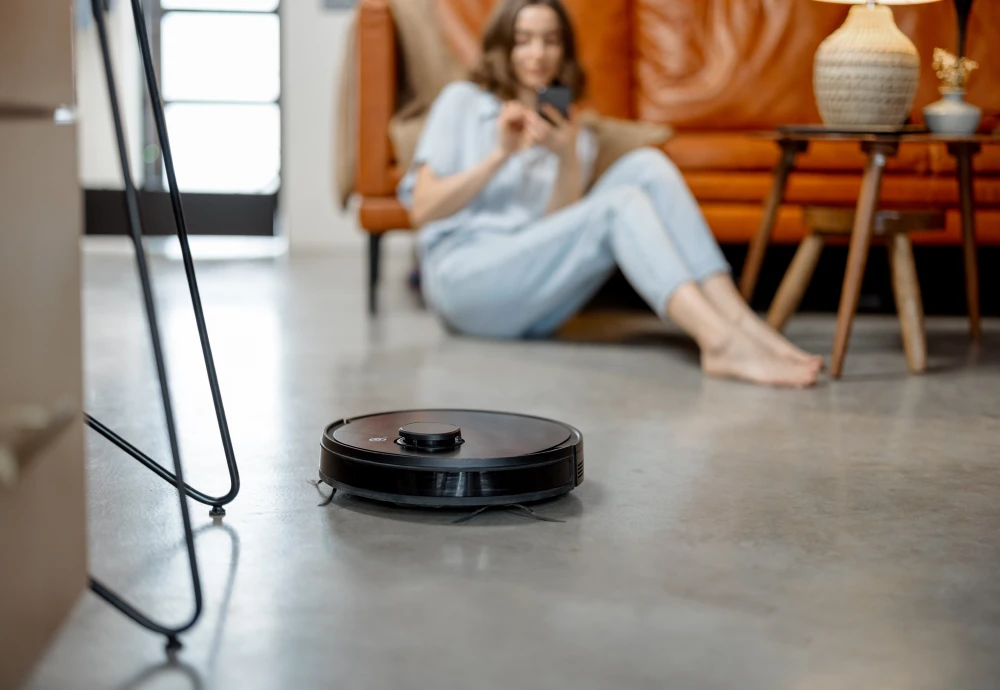
Successful updates feel personal without feeling precious. Build around floor maintenance plan for a purposeful setting. Then edit nearby details until they support the direction. This works better than adding competing statements. Use scale and contrast to earn attention. Review Smart Home Robot Vacuum Cleaner with Mop & Automatic Dust Collection to translate the idea into a purchase. Consider materials, movement, and light during daily crumbs, fur, tracked-in dust, and regular upkeep. Those observations show what deserves emphasis. They also help the plan age gracefully. Aim for a setting you enjoy using, not perfection.
Long-term satisfaction depends on care requirements. Plan for emptying, pad care, and keeping navigation paths clear before everyday use begins. Simple habits are easier to repeat. For that reason, low-effort cleaning deserves a careful look. Clear instructions make care feel uncomplicated. Decide who handles routine adjustments or cleanup. That prevents the responsibility from becoming invisible. Good planning preserves the quiet, capable, and time-saving feeling you wanted. It also protects practical and visual value. Manageable upkeep keeps the item enjoyable.
Value appears when benefits matter in real life. Rank the features that support a calmer daily cleaning rhythm. Separate essential needs from attractive extras. Use room-by-room coverage to compare real-life fit. This reveals compromises you might notice weekly. It also shows when premium details are useful. A short written list makes choices more objective. Return to it after seeing several options. Priorities often sharpen after initial excitement settles. That confidence beats rushing into a deal.
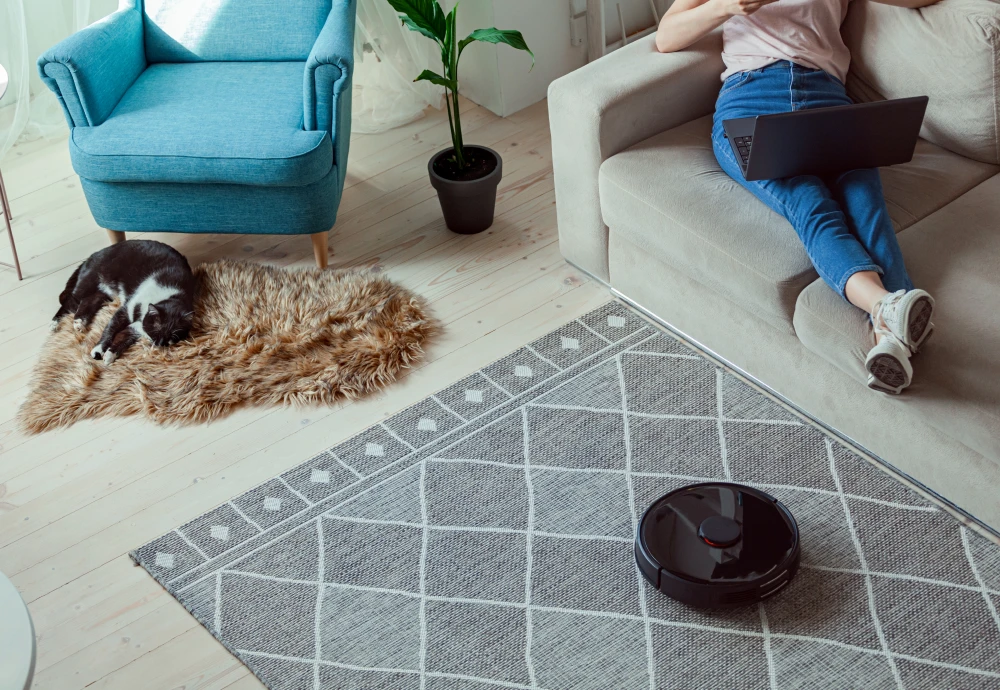
Planning for change makes a design more resilient. Home cleaning automation can guide the final direction. Consider seasonal shifts, guests, storage, and new habits. Choose supporting pieces that can move or adjust. Avoid plans that work only when staged. Your home should work on ordinary days. That balance makes the choice more forgiving. It also allows smaller refreshes later. Strong foundations create more freedom. That freedom signals a well-made purchase.
A considered upgrade makes familiar space more useful. It should improve a calmer daily cleaning rhythm. It should respect floor types, room layout, pet needs, and the household schedule. That keeps style connected to usefulness. Review priorities once more before committing. Check dimensions, care needs, and key details. Then choose what supports your rhythm with least friction. Confident decisions need not be complicated. They should reflect how you want the space to feel. When balance is present, satisfaction can last for years. Take a final moment to imagine how the choice will feel during ordinary routines, not only in the first exciting week. That perspective helps you spot details that keep delivering value when attention shifts to the rest of the setting. With the right fit, the upgrade becomes part of a more capable, welcoming, and intentional daily experience.



Leave a comment